Choosing between asphalt and concrete paving is one of the most important decisions you’ll make for your Richmond property. The right material affects everything from your initial investment to long-term maintenance costs and property value.
At Pro-Seal & Paving, we’ve helped Central Virginia property owners make this decision for over 25 years, bringing more than 100 years of combined experience to every project. This guide breaks down the key differences between asphalt and concrete paving so you can make an informed choice that fits your budget, climate needs, and property goals.
Why Material Choice Matters for Central Virginia Properties
Your choice of paving material isn’t just about aesthetics. Richmond’s unique climate creates specific challenges that directly impact how well your pavement performs over time. Central Virginia experiences hot, humid summers with temperatures often exceeding 90°F and cold winters that can drop below freezing. These temperature swings cause materials to expand and contract, affecting durability and maintenance requirements.
The financial impact extends far beyond the initial installation. Property owners who choose the wrong material for their specific situation often face unexpected repair costs within the first few years. A driveway that costs less upfront might require more frequent repairs, while a more expensive option could save thousands over its lifetime.
Curb appeal matters too. The right paving material enhances your property’s appearance and can increase resale value by up to 10%. First impressions count, whether you’re welcoming customers to a commercial location or potential buyers to your home.
Understanding Asphalt Paving Benefits
Asphalt remains the most popular choice for driveways and parking lots across Central Virginia for good reason. The material typically costs 30-40% less than concrete for initial installation, making it accessible for budget-conscious property owners. You can expect to pay between $3 and $5 per square foot for quality asphalt paving in the Richmond area.
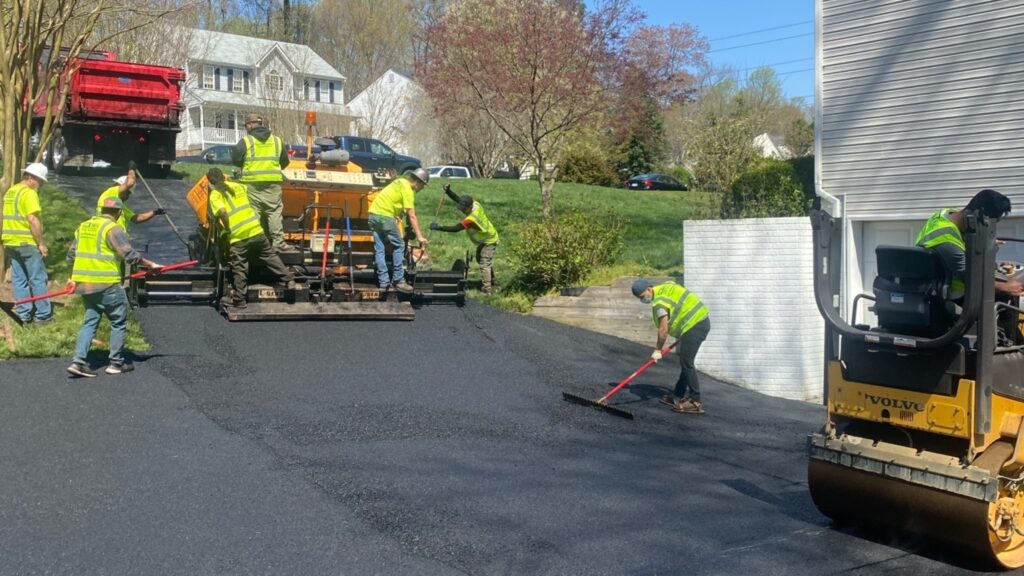
Installation happens quickly compared to concrete. Most residential driveways can be completed in one to two days, and you can drive on the surface within 24-48 hours after installation. This minimal disruption makes asphalt ideal for busy commercial properties or homeowners who can’t afford extended access restrictions.
Asphalt’s flexibility is a major advantage in Virginia’s climate. The material bends slightly under pressure and temperature changes rather than cracking like rigid materials. When temperatures drop in winter, asphalt contracts and expands without the structural damage that concrete often suffers.
This kind of durability helps explain what makes asphalt paving services essential for long-term pavement performance. Small cracks can be easily repaired with sealcoating, which also protects the surface from UV damage and extends the pavement’s life.
When Asphalt Makes the Most Sense
Residential driveways represent the sweet spot for asphalt paving. If you’re working with a limited budget but need a durable, professional-looking surface, asphalt delivers excellent value. The dark color hides oil stains and tire marks better than lighter concrete, requiring less frequent cleaning.
Commercial parking lots with heavy daily traffic benefit from asphalt’s resilience and repair-friendly nature. Businesses can patch damaged areas without replacing entire sections, minimizing both costs and downtime. The smooth surface also provides better traction during Richmond’s rainy seasons.
Properties requiring frequent utility access should choose asphalt. If you need to dig up sections for repairs or installations, asphalt can be removed and replaced more easily than concrete. This flexibility saves significant money over the property’s lifetime, which is one of the key benefits highlighted in our asphalt paving guide.
Concrete Paving Advantages
Concrete paving offers exceptional durability that can last 30-40 years with minimal maintenance, nearly double asphalt’s typical lifespan. The rigid structure handles heavy loads without rutting or deforming, making it ideal for areas with heavy equipment or large vehicles. Richmond property owners appreciate concrete’s ability to maintain its shape and surface integrity over decades.
Maintenance requirements drop significantly with concrete. Unlike asphalt, which needs sealcoating every 2-3 years, concrete requires only occasional cleaning and joint sealing. This lower maintenance burden appeals to property owners who want a set-it-and-forget-it solution. Over a 20-year period, the reduced maintenance can offset the higher initial investment.
The light color of concrete reflects sunlight rather than absorbing it like dark asphalt. This reflective quality keeps surfaces cooler during Virginia’s hot summers, creating more comfortable walking areas and potentially reducing cooling costs for nearby buildings. Concrete also resists oil and gas stains better than asphalt, maintaining a cleaner appearance with less effort.
Ideal Concrete Applications
Decorative driveways showcase concrete’s design flexibility. Property owners can choose from stamped patterns, colored finishes, and exposed aggregate options that create unique visual appeal. These decorative options add significant curb appeal and can justify concrete’s higher cost for homeowners focused on aesthetics.
Commercial walkways and sidewalks benefit from concrete’s slip-resistant surface and ADA-compliant features. The material can be textured to provide a safe footing in wet conditions, and it meets accessibility requirements for public spaces. Businesses in Richmond’s downtown area often choose concrete for pedestrian areas due to these safety and regulatory advantages.
Areas requiring maximum load-bearing capacity need concrete’s strength. Industrial facilities, loading docks, and spaces accommodating heavy equipment should use concrete to prevent surface damage. The material’s compressive strength exceeds 4,000 PSI, far surpassing asphalt’s load-bearing capabilities.
Cost Comparison: Asphalt vs Concrete in Richmond
Initial installation costs favor asphalt by a significant margin. In the Richmond area, asphalt installation ranges from $3 to $5 per square foot, while concrete costs $6 to $10 per square foot for basic installations. Decorative concrete options can reach $15-$20 per square foot. For a standard 600-square-foot driveway, you’re looking at $1,800-$3,000 for asphalt versus $3,600-$6,000 for concrete.
Long-term maintenance shifts the calculation. Asphalt requires sealcoating every 2-3 years at $0.15-$0.25 per square foot, plus crack filling and occasional patching. Over 20 years, maintenance costs can add $1,500 to $2,500 to your total investment. Concrete needs minimal maintenance, perhaps $500-$1,000 over the same period, but major repairs cost significantly more when they become necessary.
Return on investment depends on your timeline and property goals. If you plan to sell within 5-10 years, asphalt offers better short-term value. For properties you’ll own for 20+ years, concrete’s longevity and lower maintenance make it more cost-effective. Commercial properties with high traffic volumes often find that asphalt’s easy repair options provide better long-term value despite more frequent maintenance needs.
Climate Considerations for Central Virginia
Richmond’s climate presents unique challenges for both paving materials. Summer temperatures regularly exceed 90°F, causing asphalt to soften slightly and making it vulnerable to indentation from heavy vehicles or equipment. Concrete handles heat better but can develop surface scaling if not properly finished and cured. The high humidity in Central Virginia also affects how quickly materials cure and how well they resist moisture-related damage.
Winter freeze-thaw cycles create the biggest threat to paved surfaces. When water seeps into small cracks and freezes, it expands and enlarges those cracks. This cycle repeats throughout winter, causing progressive damage. Asphalt’s flexibility helps it survive these cycles better than rigid concrete, but proper drainage and maintenance make the biggest difference for both materials.
Seasonal installation timing affects project success. Asphalt installation works best when temperatures consistently stay above 50°F, typically from April through October in Richmond. Concrete can be installed year-round with proper cold-weather techniques, but summer installations between May and September provide optimal curing conditions. Pro-Seal & Paving schedules projects around these climate factors to ensure the best possible results.
Making the Right Choice for Your Property
Several factors should guide your material selection. Start by evaluating your budget for both the initial installation and ongoing maintenance. Consider how long you plan to own the property and whether you prioritize lower upfront costs or reduced lifetime expenses. Think about the visual impact you want to create and whether decorative options matter for your situation.
Traffic patterns and load requirements play a major role. Residential driveways with light vehicle traffic have different needs than commercial parking lots serving dozens of vehicles daily. Areas supporting heavy equipment or large trucks need concrete’s superior strength, while lighter-duty applications work well with asphalt.
Professional assessment provides clarity when you’re unsure. An experienced paving contractor can evaluate your property’s specific conditions, including soil type, drainage patterns, and usage requirements. At Pro-Seal & Paving, we conduct thorough site assessments before recommending materials. Our team considers your budget, timeline, and long-term goals to identify the best solution for your Central Virginia property. We’ve completed thousands of projects across Richmond, and our 100+ years of combined experience help us spot potential issues before they become problems.
Frequently Asked Questions
What are the cost differences between asphalt and concrete in Richmond?
Asphalt costs $3-$5 per square foot installed in Richmond, while concrete ranges from $6-$10 per square foot for basic installations. Decorative concrete options cost $15-$20 per square foot. Asphalt requires more frequent maintenance, adding $0.15-$0.25 per square foot every 2-3 years for sealcoating.
How does Central Virginia's climate affect paving material choice?
Richmond's hot summers and freeze-thaw winter cycles impact both materials differently. Asphalt's flexibility helps it handle temperature swings better, reducing crack formation. Concrete resists heat-related softening but can develop more severe cracks during freeze-thaw cycles. Both materials perform well in Central Virginia when properly installed and maintained.
Can I install new paving during Richmond's winter months?
Asphalt installation requires temperatures above 50°F and works best from April through October. Concrete can be installed year-round with cold-weather techniques, though spring through fall provides optimal conditions. Winter installations risk compromised curing and reduced material performance.
What maintenance is required for asphalt vs concrete driveways?
Asphalt needs sealcoating every 2-3 years, crack filling as needed, and periodic patching. Regular cleaning and keeping the surface free of standing water extend its life. Concrete requires occasional cleaning, joint sealing every 3-5 years, and prompt repair of any cracks to prevent water infiltration.
Which material adds more value to my Richmond property?
Both materials can increase property value by up to 10% when properly maintained. Decorative concrete often provides a higher perceived value for upscale residential properties. Asphalt offers excellent value for commercial properties where functionality matters more than aesthetics. The best choice depends on your property type and target market.
How long does asphalt vs concrete installation typically take?
Asphalt installation takes 1-2 days for most residential driveways, with an additional 24-48 hours before you can drive on it. Concrete requires 2-3 days for installation and needs 7 days of curing before light vehicle use. Full curing of concrete takes 28 days. Commercial projects take longer depending on size and complexity.
Get Expert Guidance for Your Richmond Paving Project
Choosing between asphalt and concrete doesn’t have to be complicated. Pro-Seal & Paving brings over 100 years of combined experience to every project in Central Virginia. Our family-owned company has served the Richmond community since 1998, delivering high-quality results to residential and commercial clients. We’ll assess your property, discuss your goals, and recommend the material that best fits your needs and budget. Contact us today for a free consultation and let our expertise guide you to the right paving solution.