Asphalt paving transforms your property while providing long-lasting durability and value. Whether you’re planning a new driveway, parking lot, or roadway in Central Virginia, understanding the paving process helps you make informed decisions. This guide covers everything from costs and installation to maintenance and contractor selection, giving you the knowledge needed for a successful paving project.
Why Choose Asphalt Paving for Your Property?
Asphalt stands out as the preferred paving material for Central Virginia properties, offering practical benefits that concrete and other materials simply can’t match. The combination of affordability, resilience, and quick installation makes it ideal for both residential driveways and commercial parking lots.
Cost-effectiveness is a major advantage. Asphalt typically costs 30–40% less than concrete per square foot, making it budget-friendly for projects of any size. The material itself is less expensive, and installation requires less labor time, which translates to lower overall project costs. If you’re comparing costs and performance, this guide on asphalt vs concrete paving explains how the two materials differ. You’ll also save money on repairs since asphalt damage is easier and cheaper to fix than concrete cracks.
Virginia’s climate conditions are perfect for asphalt performance. The material handles our hot, humid summers and cold winters better than most alternatives. Asphalt’s flexibility allows it to expand and contract with temperature changes without cracking. It also resists freeze-thaw cycles that can damage rigid paving materials, making it particularly well-suited for the Richmond area’s weather patterns.
Quick installation means minimal disruption to your daily routine. Most residential driveways can be completed in 1-2 days, while commercial projects typically take 3-5 days, depending on size. You can often drive on your new asphalt surface within 24-48 hours after installation. This fast turnaround is especially valuable for businesses that can’t afford extended closures.
Understanding the Asphalt Paving Process
The quality of your asphalt surface depends heavily on proper installation techniques. Each step in the process builds on the previous one, creating a durable foundation that will last for decades with proper care.
Site Preparation and Excavation
Site preparation sets the foundation for a successful paving project. Contractors begin by removing existing pavement, vegetation, and debris from the area. The depth of excavation typically ranges from 8-12 inches for residential driveways and 12-18 inches for commercial parking lots, depending on expected traffic loads.
Proper grading and drainage considerations prevent water accumulation that can damage your pavement. The site should be graded to slope away from buildings at a minimum rate of 2% (1/4 inch per foot). In Central Virginia, where we receive an average of 43 inches of rainfall annually, effective drainage is critical. Contractors may install catch basins, drainage pipes, or French drains to manage water flow.
Soil stabilization techniques ensure the ground beneath your asphalt can support the expected load. Contractors test soil composition and compact the subgrade to at least 95% density. If the native soil is clay-heavy or unstable, they may add geotextile fabric or stabilizing agents to improve load-bearing capacity. This step is especially important in the Richmond area, where clay soils are common.
Base Installation and Compaction
The base layer serves as the structural foundation of your pavement. A properly installed base distributes weight evenly and prevents settling or cracking. Contractors typically use crushed stone aggregate, which provides excellent stability and drainage properties.
The importance of proper base materials cannot be overstated. The base should consist of angular, crushed stone ranging from 3/4 inch to 1.5 inches in diameter. This material locks together when compacted, creating a stable platform. For residential driveways, a 4-6 inch base is standard, while commercial applications require 6-8 inches or more, depending on anticipated traffic.
Compaction standards for longevity require multiple passes with heavy equipment. Contractors use vibratory rollers to achieve 95-98% compaction density throughout the base layer. They compact in lifts (layers) of 4-6 inches, testing density at regular intervals. Proper compaction eliminates air pockets and ensures the base won’t settle over time. This process typically takes several hours and is critical for preventing future pavement failure.
Asphalt Application and Finishing
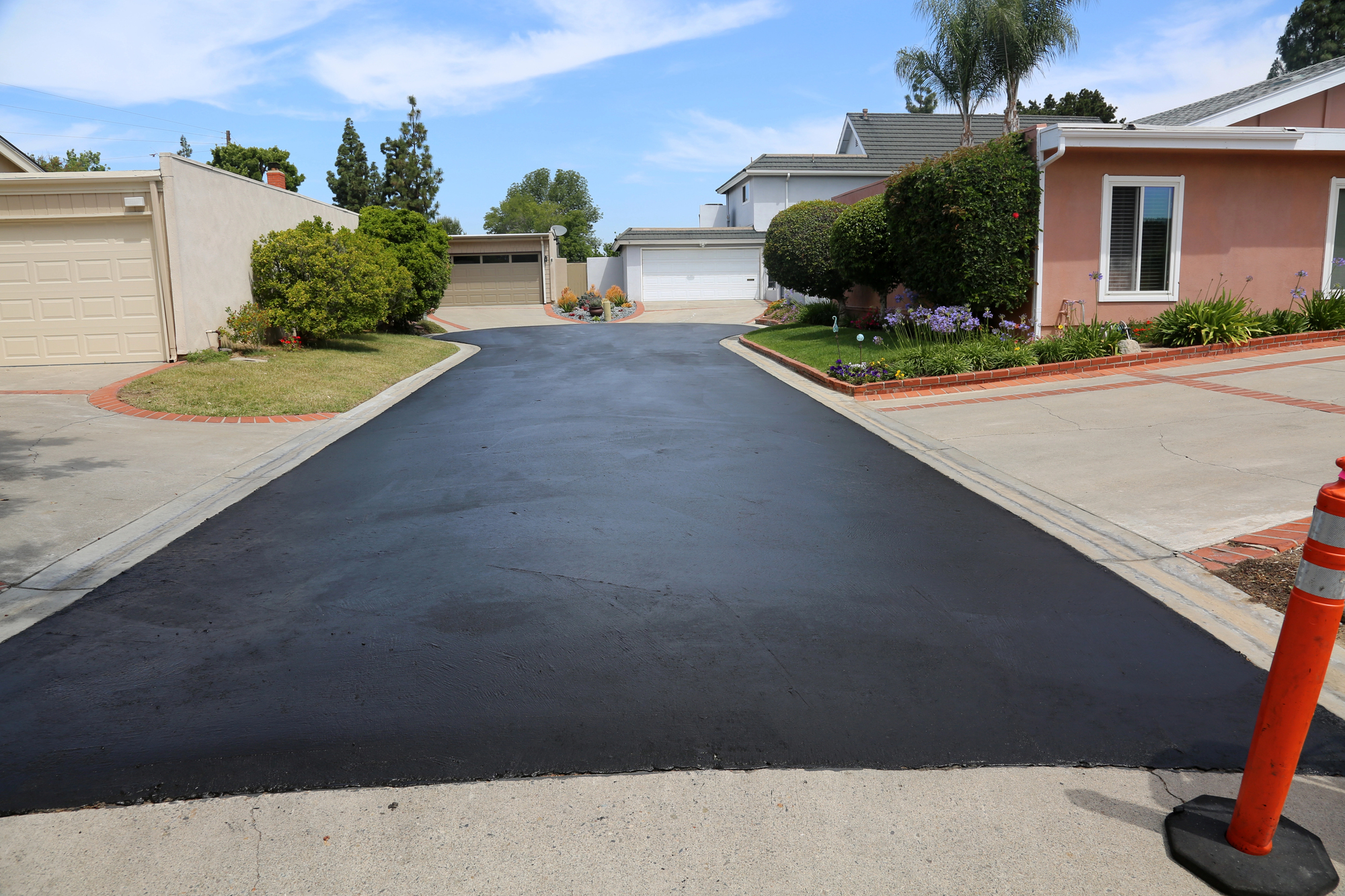
The final asphalt layer brings your project to completion. Contractors use hot mix asphalt heated to 275-300°F, which must be installed and compacted while still hot. Timing is everything during this phase, as the asphalt begins to cool and harden immediately upon application.
Hot mix asphalt installation involves spreading the material evenly across the prepared base. For residential driveways, a 2-3 inch layer is standard, while commercial parking lots typically receive 3-4 inches. Contractors use pavers to lay the asphalt at a consistent thickness, ensuring uniform coverage. They pay special attention to edges and transitions, where proper compaction is harder to achieve.
Surface finishing and line striping complete the project. Contractors make multiple passes with rollers to compact the asphalt to 92-96% density, creating a smooth, durable surface. They roll while the asphalt is still warm but not so hot that the roller causes surface damage. For commercial projects, line striping is added after the asphalt fully cures, typically 30-60 days later. The finished surface should have a slight texture for traction but remain smooth enough for comfortable driving.
Asphalt Paving Costs in Central Virginia
Understanding paving costs helps you budget effectively and avoid surprises. Prices in the Richmond area vary based on project specifics, but typical ranges provide a useful starting point for planning.
Factors affecting pricing per square foot include project size, site accessibility, base requirements, and current material costs. As of 2026, residential asphalt paving in Central Virginia typically costs $3-7 per square foot installed. A standard two-car driveway (20×40 feet) runs $2,400-5,600. Larger projects benefit from economies of scale, with per-square-foot costs decreasing as project size increases. Site accessibility also impacts pricing because difficult access requires smaller equipment and more labor time.
Commercial vs residential project costs differ significantly due to heavier base requirements and thicker asphalt layers. Commercial parking lots cost $4-9 per square foot, with the higher end reflecting heavy-duty specifications for truck traffic. A 10,000 square foot parking lot typically ranges from $40,000-90,000, depending on site conditions and drainage requirements. Commercial projects also include line striping, ADA-compliant markings, and sometimes concrete curbing, which add to the total investment.
Long-term value considerations make asphalt an economical choice despite the initial investment. A properly installed asphalt surface lasts 20-30 years with regular maintenance, which costs significantly less than replacement. Sealcoating every 2-3 years costs $0.15-0.25 per square foot and extends pavement life substantially. When you calculate the cost per year of service, asphalt often proves more economical than alternatives that seem cheaper initially but require replacement sooner.
When Is the Best Time for Asphalt Paving?
Timing your paving project correctly ensures optimal results and longevity. Central Virginia’s climate offers a relatively wide window for paving, but some periods deliver better outcomes than others.
Optimal weather conditions in Virginia occur when daytime temperatures consistently stay above 50°F, and nighttime temperatures remain above 40°F. Asphalt needs warmth to properly compact and cure. The ideal temperature range for installation is 70-90°F with low humidity. Contractors can work in cooler weather, but the asphalt cools faster, making proper compaction more challenging. Rain delays projects because moisture prevents proper bonding between layers.
Seasonal considerations for scheduling make spring and fall the prime paving seasons in Central Virginia. April through June offer mild temperatures and lower rainfall compared to the summer months. September through early November provides another excellent window, with warm days and cool nights that help asphalt cure properly. Summer paving is possible but less ideal due to extreme heat, which can make asphalt too soft during installation. Winter paving is generally avoided because temperatures below 40°F prevent proper compaction and curing.
Planning around weather patterns requires flexibility and communication with your contractor. Book projects 4-6 weeks in advance during peak season to secure your preferred timing. Spring scheduling works well for properties that need the surface ready for summer use. Fall projects take advantage of post-summer availability and prepare your property for winter. Contractors monitor weather forecasts closely and may reschedule if conditions become unfavorable. This flexibility protects your investment by ensuring installation occurs under optimal conditions.
Maintaining Your New Asphalt Surface
Proper maintenance protects your investment and extends pavement life significantly. A proactive approach costs far less than repairs or premature replacement.
Immediate post-installation care starts with allowing proper curing time. Avoid driving on new asphalt for 24-48 hours after installation, though light foot traffic is acceptable after 8-12 hours. Keep heavy vehicles and equipment off the surface for at least one week. Don’t turn your steering wheel while the vehicle is stationary for the first month, as this can scuff the surface while it’s still curing. Water your new asphalt during hot weather if temperatures exceed 95°F, as this helps prevent surface cracking during the initial curing period.
Regular maintenance schedules keep your pavement in top condition. Sealcoat your asphalt every 2-3 years to protect against UV damage, water penetration, and chemical spills. Clean the surface regularly by sweeping away debris and removing oil spots promptly with a degreaser. Fill any cracks within weeks of noticing them, before water infiltrates and causes more extensive damage. In Central Virginia, inspect your pavement in early spring and late fall to catch any issues before they worsen.
Signs that indicate repair needs include cracks wider than 1/4 inch, potholes, standing water, fading color, and rough texture. Small cracks are normal but should be filled promptly. Alligator cracking (interconnected cracks resembling reptile skin) indicates base failure and requires professional assessment. Potholes develop when water penetrates cracks and erodes the base material. Standing water suggests drainage problems or settling that needs correction. These issues rarely improve on their own and typically worsen rapidly if ignored.
Choosing the Right Paving Contractor
Selecting a qualified paving contractor in Central Virginia is the most important decision in your paving project. The right professional ensures quality work that lasts, while a poor choice leads to costly repairs and frustration.
Questions to ask potential contractors help you evaluate their qualifications and approach. Ask how long they’ve been serving Central Virginia and request references from recent projects similar to yours. Inquire about their installation process and timeline, including how they handle unexpected site conditions. Question their warranty coverage and what situations it includes or excludes. Ask whether they perform all work with their own crews or subcontract portions of the job. Request a detailed written estimate that breaks down material and labor costs separately.
Licensing and insurance requirements protect you from liability and ensure professional accountability. Virginia requires contractors to hold a Class A or Class B contractor license for projects over certain dollar amounts. Verify their license is current through the Virginia Department of Professional and Occupational Regulation. Confirm they carry general liability insurance of at least $1 million and workers’ compensation coverage for all employees. Request certificates of insurance and verify coverage directly with the insurance company. These protections are essential in case of property damage or worker injuries during your project.
Experience with local conditions matters significantly in Central Virginia. Contractors familiar with Richmond area soil types, drainage patterns, and weather conditions deliver better results. They understand how clay soils behave and what base preparations work best locally. They know permit requirements for different municipalities in Central Virginia and can handle the application process. Local contractors also have established relationships with material suppliers, which can mean better pricing and reliable delivery, especially when you’re looking for quality asphalt paving services that can hold up over time.
Experience with local conditions matters significantly in Central Virginia. Contractors familiar with Richmond area soil types, drainage patterns, and weather conditions deliver better results. They understand how clay soils behave and what base preparations work best locally. They know permit requirements for different municipalities in Central Virginia and can handle the application process. Local contractors also have established relationships with material suppliers, which can mean better pricing and reliable delivery, especially when you’re looking for quality asphalt paving services that can hold up over time.
Frequently Asked Questions
What is the average cost per square foot for asphalt paving in Richmond?
Residential asphalt paving costs $3-7 per square foot in the Richmond area as of 2026. Commercial projects range from $4-9 per square foot due to heavier specifications. These prices include excavation, base installation, and asphalt application. Final costs vary based on project size, site conditions, accessibility, and specific requirements such as drainage systems or extensive base work.
How soon can I drive on newly paved asphalt?
You can typically drive on new asphalt 24-48 hours after installation. Light foot traffic is safe after 8-12 hours. Heavy vehicles and equipment should stay off the surface for at least one week. The asphalt continues curing for several months, so avoid turning your steering wheel while stationary for the first 30 days to prevent surface scuffing.
What factors affect the lifespan of asphalt pavement?
Installation quality is the primary factor affecting lifespan. Proper base preparation, adequate thickness, and correct compaction are critical. Regular maintenance, like sealcoating every 2-3 years, significantly extends life. Traffic volume and weight impact durability, with heavy trucks causing more wear. Climate conditions, drainage effectiveness, and exposure to chemicals also play important roles. A well-installed and maintained asphalt surface in Central Virginia lasts 20-30 years.
Do I need permits for asphalt paving in Central Virginia?
Permit requirements vary by municipality in Central Virginia. Most residential driveway replacements don't require permits if you're repaving within existing boundaries. New driveway installations or expansions typically need permits to ensure proper drainage and setback compliance. Commercial projects almost always require permits and must meet ADA accessibility standards. Contact your local building department before starting work to confirm specific requirements for your location.
How do weather conditions impact asphalt paving quality?
Temperature is the most critical weather factor. Asphalt must be installed when temperatures are above 50°F, with 70-90°F being ideal. Cold weather causes asphalt to cool too quickly, preventing proper compaction. Rain prevents installation entirely because moisture interferes with bonding. High humidity can affect curing time. Wind speeds above 20 mph cause rapid cooling, making installation more challenging. Your contractor will monitor conditions closely and may reschedule to ensure optimal installation quality.
Ready to Start Your Asphalt Paving Project?
If you’re planning an asphalt paving project in Central Virginia, the best next step is getting an on-site evaluation from a contractor who understands local soil, drainage, and weather conditions. A proper assessment helps you avoid issues like premature cracking, standing water, and uneven settling before the work even starts.
Pro-Seal & Paving provides professional asphalt paving for driveways, parking lots, and commercial properties throughout the Richmond area. Contact us today to request a quote and get a clear plan for a smooth, long-lasting surface.